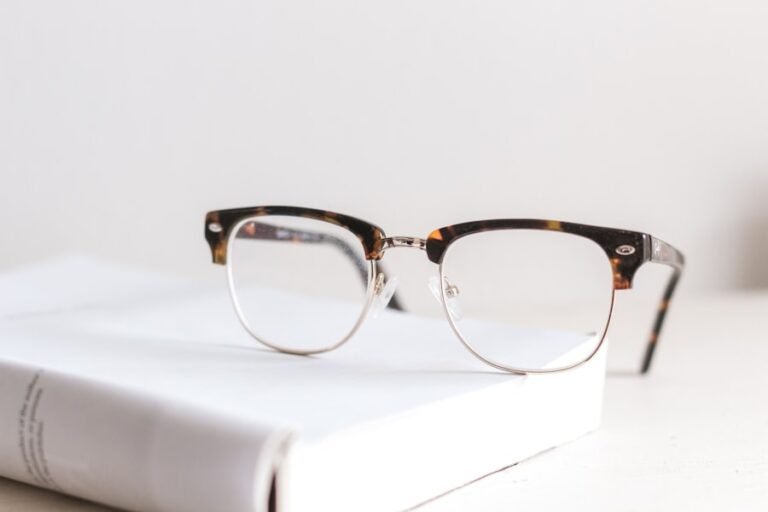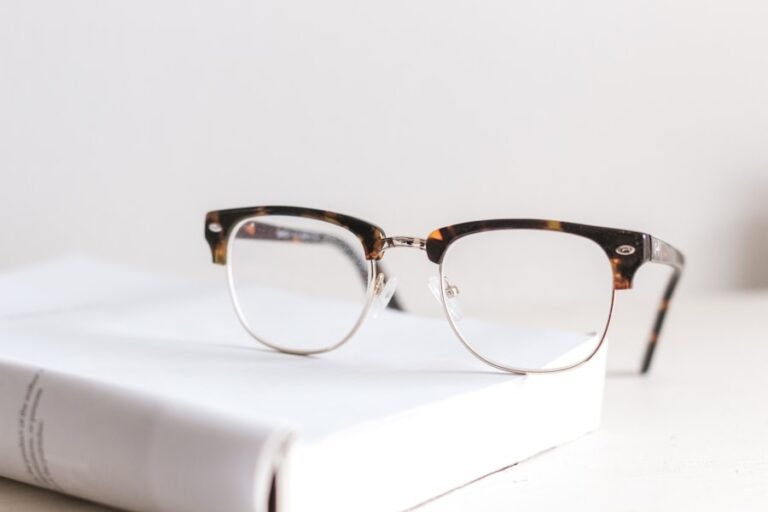
Blue Film Anti-Radiation Reading Glasses
Quick Navigation
- When Your Eyes Feel Drained After Every Reading Session: The Hidden Strain of Digital Radiation
- Why Blue Film Anti-Radiation Reading Glasses Are More Than Just a Trend
- Unpacking the Mechanics: How Blue Film Anti-Radiation Reading Glasses Shield Your Vision
- The Role of Blue Film in Blocking Harmful Light
- The Anti-Radiation Layer: Beyond Blue Light Filtering
- Step-by-Step Guide to Choosing the Right Blue Film Anti-Radiation Reading Glasses for Your Needs
- Assessing Your Visual Challenges and Screen Habits
- Decoding Lens Features and Frame Styles
- Testing and Adapting to Your New Glasses
- Unexpected Benefits and a Contrarian Take: Why You Might Not Need Blue Film Glasses All the Time
- Real-Life Success Stories: How Blue Film Anti-Radiation Reading Glasses Transformed Daily Reading Experiences
- Avoid These Pitfalls When Integrating Blue Film Anti-Radiation Reading Glasses Into Your Routine
- What’s Next for Your Eye Health Journey with Blue Film Anti-Radiation Reading Glasses

Blue film anti-radiation reading glasses have quietly become a lifesaver for many of us battling the invisible horrors of digital eye strain. Ever find yourself squinting at a screen after just a short reading session, only to be greeted by headaches or that stubborn blur that just won’t quit? You’re not alone. The digital age has gifted us endless content but also introduced sneaky enemies like blue light and electromagnetic radiation that sap our visual stamina.
When Your Eyes Feel Drained After Every Reading Session: The Hidden Strain of Digital Radiation
Picture this: you settle in with your tablet or laptop for what you think will be a quick read. Hours later, your eyes feel dry and gritty, your head throbs, and focusing on anything else becomes a challenge. Sound familiar? That’s the classic aftermath of prolonged exposure to screens and harsh artificial lighting. The culprit? An invisible cocktail of blue light and electromagnetic radiation emitted by our beloved digital devices.
Blue light, especially the high-energy visible (HEV) wavelengths, floods our screens and can penetrate deep into the eyes, causing strain and discomfort. Simultaneously, electromagnetic radiation—though less talked about—adds another layer of stress to our visual system. While you can’t see or feel it immediately, the cumulative effect can lead to chronic issues.
This is where blue film anti-radiation reading glasses come in. Designed to combat these unseen enemies, they offer a practical solution for anyone who spends significant time glued to screens or reading under intense lighting. These glasses aren’t just about fashion—they’re about saving your eyes from silent damage every day.
Why Blue Film Anti-Radiation Reading Glasses Are More Than Just a Trend
Now, you might think these glasses are just another fleeting fad or overpriced eyewear gimmick. But there’s some solid science behind the blue film coating that sets them apart. Unlike regular lenses, the blue film is a specialized optical layer engineered to selectively filter out harmful blue light wavelengths—primarily the HEV blue light around 400–450 nanometers—without distorting colors. This means your screen looks natural, while your eyes get a much-needed break.
But that’s only half the story. Embedded within these lenses is anti-radiation technology that goes beyond simple blue light blocking. This feature tackles electromagnetic radiation (EMR) emitted by digital devices. While research into long-term EMR effects is still developing, early studies hint at potential risks like increased eye fatigue or even cellular stress in eye tissues.
Given how dependent we are on smartphones, tablets, and computers, shielding eyes from both visible and invisible radiation sources is a smart move—not just for comfort but for eye health preservation.
Unpacking the Mechanics: How Blue Film Anti-Radiation Reading Glasses Shield Your Vision
The Role of Blue Film in Blocking Harmful Light
The magic starts with the blue film coating, a thin, transparent layer applied to the lenses. Instead of blocking all blue light—which would make everything look yellow or dull—these glasses filter out the most harmful HEV blue light range. This selective filtration helps reduce eye strain and prevents the disruption of melatonin production, which can mess with your sleep cycle.
Why does targeting this spectrum matter? HEV blue light penetrates the front of the eye and reaches the retina, potentially causing photochemical damage over time. By filtering it, these lenses help protect sensitive eye cells, making long reading sessions less taxing.
The Anti-Radiation Layer: Beyond Blue Light Filtering
On top of that, the lenses incorporate materials designed to reduce electromagnetic radiation exposure. Often, this involves conductive nanomaterials or metallic oxides that reflect or absorb EMR frequencies common in wireless and digital devices.
Looking for Sunglasses?
Browse our handpicked range. Free shipping, 7-day returns, COD available.
Shop Sunglasses →While the scientific community is still uncovering the full impact of EMR on eye health, the precautionary principle applies here. Reducing exposure may help ease symptoms like headaches or eye dryness, especially for heavy screen users. If you’re curious about the science, the National Eye Institute has some useful resources on blue light and vision health.
Step-by-Step Guide to Choosing the Right Blue Film Anti-Radiation Reading Glasses for Your Needs
Assessing Your Visual Challenges and Screen Habits
Before splurging on new glasses, get clear on why you need them. Symptoms that hint you could benefit include:
- Frequent eye fatigue or dryness after screen use
- Recurring headaches linked to reading or device use
- Blurred or double vision during or post reading
- Difficulty falling asleep after late-night screen time
Next, consider how much time you spend on digital devices daily. Are you a remote worker glued to two monitors for eight hours? Or a student juggling textbooks and tablets? The more exposure, the stronger the case for these glasses.
Decoding Lens Features and Frame Styles
When shopping, here’s what to focus on:
- Blue film quality: Look for glasses that specify filtering around 400–450 nm HEV blue light.
- Anti-radiation certification: Some brands undergo independent testing for EMR reduction—these are worth the extra dime.
- Lens material: Polycarbonate lenses tend to be lightweight and impact-resistant.
- Frame comfort: Adjustable nose pads, lightweight materials, and proper fit matter for long reading sessions.
Testing and Adapting to Your New Glasses
Don’t expect instant magic on day one. Break them in gradually by wearing the glasses during reading or screen tasks for 1–2 hours daily, then increase usage. Pay attention to improvements like reduced dryness, less squinting, or fewer headaches.
If you notice any color distortion or discomfort, tweak how and when you wear them. The goal is to make them part of your routine without sacrificing clarity or comfort.
Unexpected Benefits and a Contrarian Take: Why You Might Not Need Blue Film Glasses All the Time
Here’s a twist—using blue film anti-radiation reading glasses nonstop isn’t always ideal. Some studies suggest that blocking blue light during daytime can interfere with your natural circadian rhythms, potentially leaving you groggy or less alert.
Also, tasks requiring accurate color perception—like graphic design or photo editing—may suffer with constant blue light filtering. In these cases, using the glasses selectively during high-strain activities rather than all day might yield better results.
Take my friend Lisa, for example. She’s a freelance illustrator who tried wearing blue film glasses all day but found colors looked off. She switched to wearing them only during late-night reading or long computer sessions and saw much better All in all, comfort without losing color accuracy.
Real-Life Success Stories: How Blue Film Anti-Radiation Reading Glasses Transformed Daily Reading Experiences
Let’s get real with some stories:
- David, a college student: After switching to blue film anti-radiation reading glasses, he reported a 60% drop in headaches during study marathons and improved focus in late-night sessions.
- Maria, a remote worker in Texas: She noticed less eye dryness and could read her multiple screens longer without taking breaks every 20 minutes.
- Frank, a retiree: Struggling with eye strain while reading his e-newspaper, Frank found his eye comfort improved dramatically and his sleep quality improved as well.
These examples highlight just how diverse and effective this eyewear can be for easing digital eye strain across age groups and lifestyles.
Avoid These Pitfalls When Integrating Blue Film Anti-Radiation Reading Glasses Into Your Routine
Beware of these rookie mistakes:
Flat 10% off your first order
Use code FIRST10 at checkout. Valid on all sunglasses.
Claim Offer →- Buying cheap knockoffs online without verified specs—these often don’t filter blue light or radiation effectively.
- Ignoring your prescription needs—reading glasses must match your exact vision requirements to work properly.
- Poor cleaning habits—using harsh chemicals or rough cloths can degrade the blue film coating.
To get the best out of your glasses, pair them with proper screen hygiene: regular breaks, good lighting, and ergonomic setups. Don’t fall for wild claims promising miracle cures. Blue light blocking is helpful, but it’s one piece of a bigger puzzle.
What’s Next for Your Eye Health Journey with Blue Film Anti-Radiation Reading Glasses
So, here’s the deal — blue film anti-radiation reading glasses offer a smart way to tackle modern eye strain challenges by filtering harmful blue light and reducing electromagnetic exposure. But, they’re not a silver bullet. Keep an eye on your symptoms, consider professional advice, and adopt complementary habits like taking frequent screen breaks and maintaining good posture.
Ready to give your eyes the break they deserve? Try these glasses during your next reading session and see how your vision feels. Your eyes might just thank you with fewer headaches and sharper focus. Don’t let invisible radiation steal your comfort—arm yourself with the right eyewear and take control of your digital eye health today.
FAQs
What are blue film anti-radiation reading glasses?
Blue film anti-radiation reading glasses are eyewear designed with a special blue-tinted coating that helps block harmful blue light and reduce eye strain caused by digital screens. They also provide protection against radiation emitted from electronic devices.
How do blue film anti-radiation reading glasses protect my eyes?
These glasses filter out a significant portion of blue light and electromagnetic radiation from screens, which can reduce eye fatigue, dryness, and headaches. Wearing blue film anti-radiation reading glasses can improve visual comfort during prolonged digital device use.
Can blue film anti-radiation reading glasses help with digital eye strain?
Yes, blue film anti-radiation reading glasses are specifically designed to decrease digital eye strain by blocking blue light and reducing glare from screens. Many users report less discomfort and improved focus when using these glasses while reading or working on computers.
Are blue film anti-radiation reading glasses suitable for all ages?
Blue film anti-radiation reading glasses are generally safe and suitable for people of all ages who use digital devices frequently. However, it's recommended to consult an eye care professional to ensure the glasses meet individual vision needs.
Where can I buy quality blue film anti-radiation reading glasses?
You can purchase blue film anti-radiation reading glasses from optical stores, online retailers, and specialty eyewear websites. When buying, look for verified sellers and reviews to ensure the glasses provide effective blue light and radiation protection.